Manual screwdriving in automotive assembly often limits takt time and introduces quality variability across shifts and models. Frequent changeovers, tight tolerances, and ergonomic strain make sustained consistency difficult at scale.
UR cobots deliver controlled force, speed, and positioning to ensure every fastener is driven to specification—without slowing production or increasing operator risk.
Why Automate Screwdriving in Automotive Assembly
Manual screwdriving is repetitive and difficult to standardize across shifts, operators, and vehicle variants. In automotive environments where access is limited and cycle times are tight, fastening variability can quickly affect throughput and quality.
Collaborative robots paired with integrated screwdriving tools allow manufacturers to control force, speed, and position at every fastening point. This ensures each screw is driven to specification while supporting a stable, repeatable production flow.
Key outcomes include:

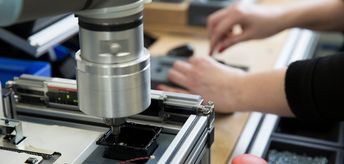
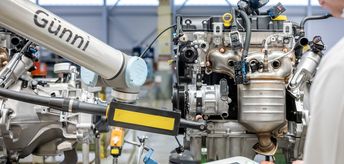
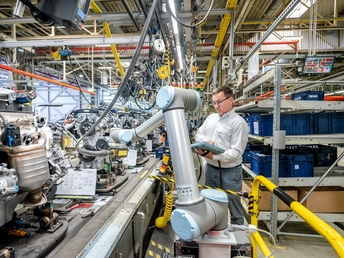
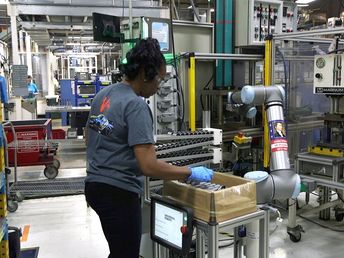
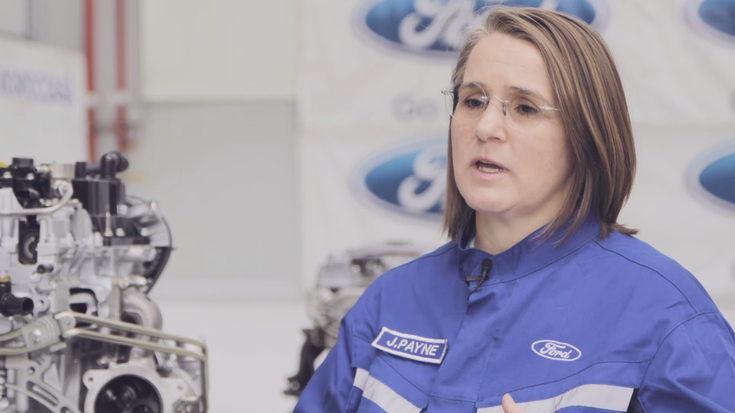
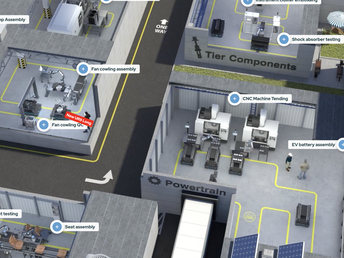
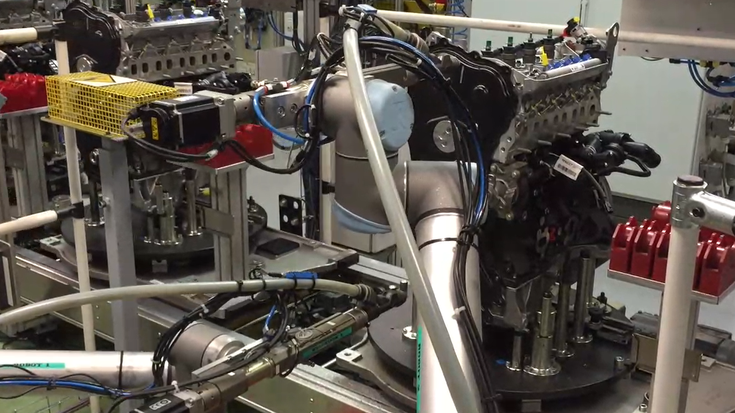
FiRAC simulates real-life automotive assembly line conditions to advance screwdriving applications
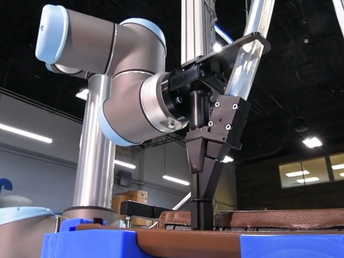
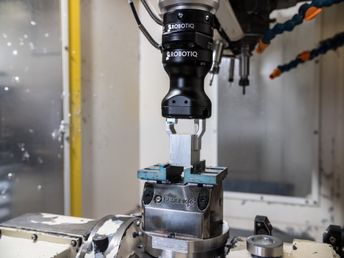
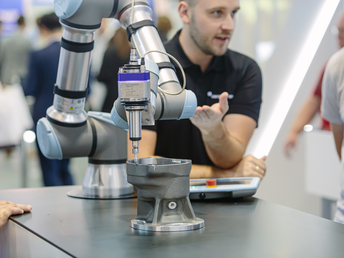
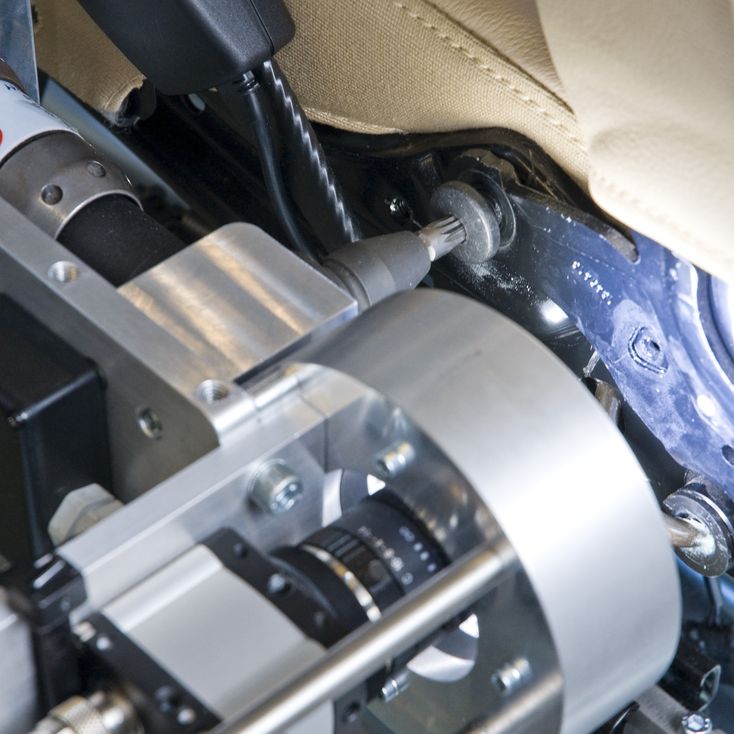
In a robotic screwdriving setup, the collaborative robot guides the screwdriver to each fastening point with high positional accuracy. Force, speed, and insertion depth are monitored throughout the fastening cycle to ensure compliance with engineering specifications.
Because the robot operates safely alongside operators, automated screwdriving can be deployed directly at existing assembly stations. This allows manufacturers to automate fastening tasks without re‑engineering the entire cell or introducing rigid safety barriers.
The result is a more predictable fastening process that supports just‑in‑time assembly while reducing variability and ergonomic strain across the line.
Whether you are stabilizing an existing fastening operation or introducing automation step by step, automotive screwdriving can be tailored to your station layout, cycle-time targets, and quality requirements.
Talk with an automotive automation expert to explore how robotic screwdriving can help improve consistency, reduce variability, and support reliable production flow on your line.


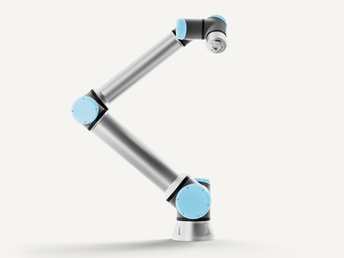
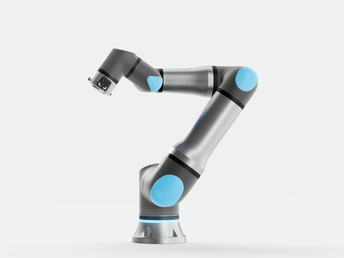
Compact UR cobots are well‑suited for automotive screwdriving tasks where reach, speed, and repeatability are critical. Their lightweight design enables fast repositioning across workstations, while built‑in force control ensures consistent fastening without over‑tightening or part damage.
Automotive assembly requires fast, repeatable, and traceable screwdriving across interiors, electronics, and sub‑assemblies. Universal Robots cobots automate high‑mix screwdriving tasks with precise torque control, fast changeovers, and collaborative safety, supporting OEMs and Tier suppliers alike.

Screwdriving and nut running are often deployed on the same stations or adjacent stations and are evaluated together as fastening strategies.

Automated clip insertion for interior and exterior assemblies, improving consistency and reducing part damage.

Robotic press‑fit operations for controlled insertion of bearings, bushings, and precision components.

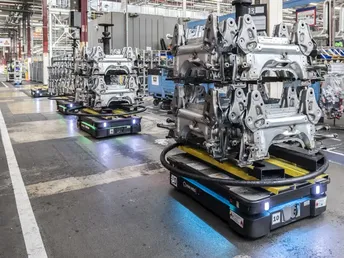
Automotive manufacturing relies on a continuous flow of materials. Components, kits, and containers need to reach the correct station precisely when required to ensure takt time and stable production.
An automotive automation specialist will follow up to discuss your application and production requirements. The goal is to understand your setup and explore practical automation options, no commitment required.