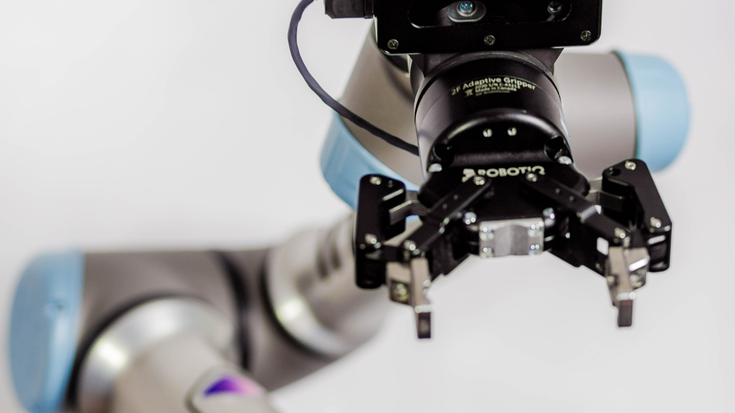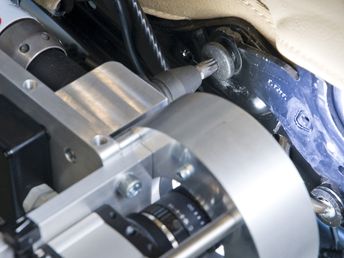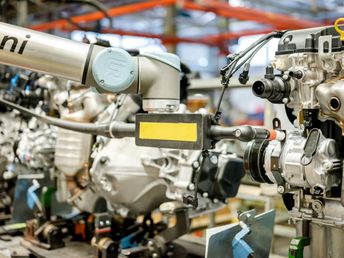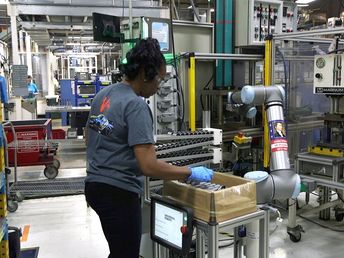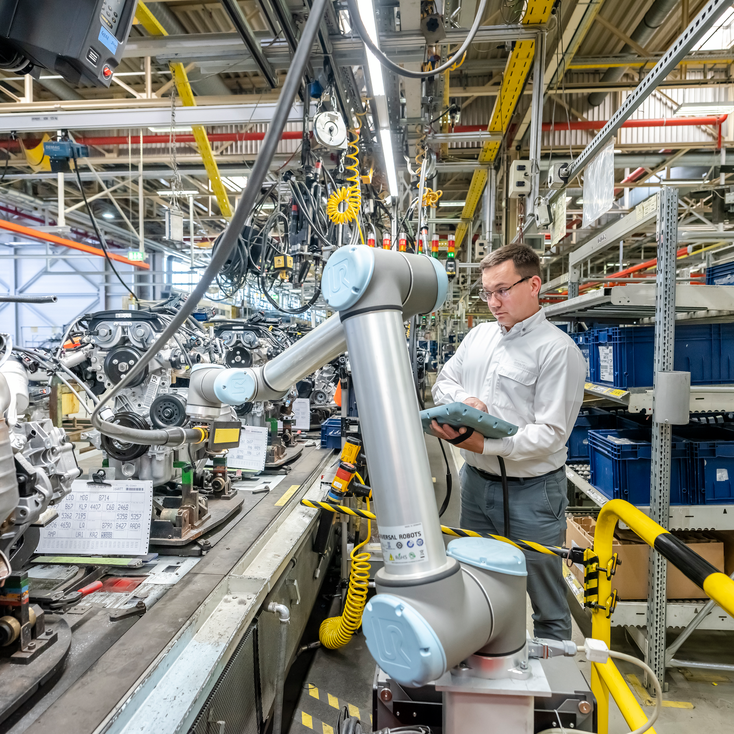
Automotive Nut Running Automation

Precise, repeatable fastening for chassis and powertrain assemblies, without disrupting existing production lines.
-

Advantages of Automated Nut Running with Teradyne Robotics

Nut running is a critical fastening operation in automotive manufacturing, where torque accuracy, repeatability, and traceability directly impact safety and product quality. From chassis assemblies to powertrain components, even small deviations can lead to rework, scrap, or downstream failures.

To meet increasing quality demands while reducing operator strain and variability, automotive manufacturers are adopting collaborative robots for nut running. This approach enables consistent fastening performance while maintaining the flexibility required for high‑mix production and evolving vehicle platforms.

Why automate nut running in automotive production

Manual nut running is physically demanding and difficult to standardize across shifts, operators, and vehicle variants. In automotive environments where access is limited, cycle times are tight, and fastening tolerances are strict, variability can quickly affect throughput and quality.

Collaborative robots paired with integrated nut‑runner tools allow manufacturers to control torque, angle, and speed at every joint. This ensures each fastener is tightened to specification while supporting a stable, repeatable production flow.

Key outcomes include:

  • Consistent fastening quality across shifts and operators
  • Reduced ergonomic strain in repetitive or overhead tasks
  • Software‑based changeovers instead of mechanical retooling
  • Incremental automation that complements existing lines
firac

How robotic nut running supports automotive assembly

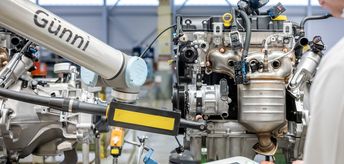
In a robotic nut running setup, the collaborative robot guides the nut‑runner tool to each fastening point with high positional accuracy. Torque and angle are monitored throughout the tightening cycle to ensure compliance with engineering specifications.

Because the robot operates within a collaborative footprint, nut running can be deployed directly at existing assembly stations. This enables manufacturers to automate fastening tasks without re‑engineering the entire cell or introducing rigid safety barriers.

The result is a more predictable fastening process that supports just‑in‑time assembly while reducing variability across the line.
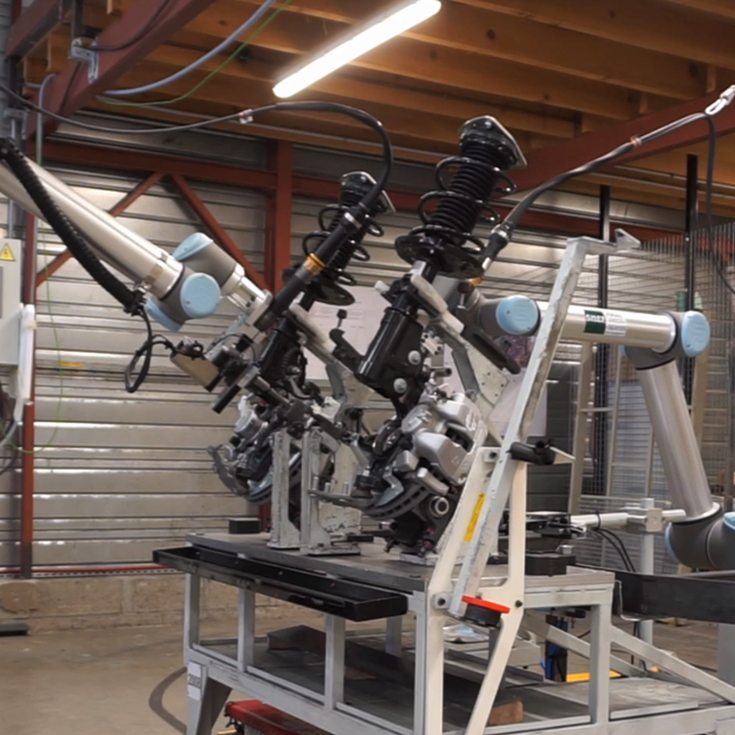
Universal Robotics has the most robust ecosystem of cobot solutions available, including several nut running automation kits.

Nut running requirements vary depending on torque range, accessibility, and tool integration. Collaborative robots used in automotive fastening are typically selected based on their reach, payload, and ability to support precise torque‑controlled tools.Nut running requirements vary depending on torque range, accessibility, and tool integration. Collaborative robots used in automotive fastening are typically selected based on their reach, payload, and ability to support precise torque‑controlled tools.Nut running requirements vary depending on torque range, accessibility, and tool integration. Collaborative robots used in automotive fastening are typically selected based on their reach, payload, and ability to support precise torque‑controlled tools.

Selecting the right robot for automotive nut running

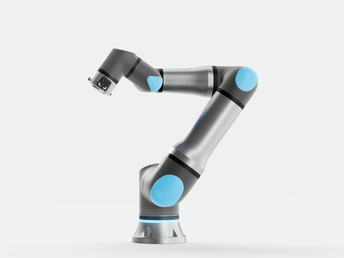
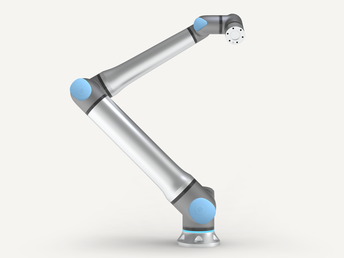
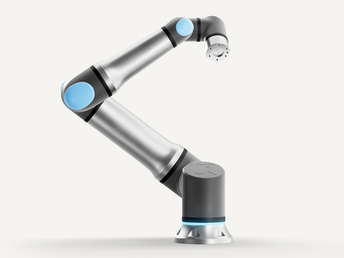
Nut running requirements vary depending on torque range, accessibility, and tool integration. Collaborative robots used in automotive fastening are typically selected based on their reach, payload, and ability to support precise torque‑controlled tools.

These robots are commonly deployed in chassis, interior, and powertrain assemblies where repeatability, safety, and flexibility are essential.

Additonal automotive assembly applications

Nut running is often deployed alongside other automotive assembly processes on the same production lines. These related applications support a more complete and flexible assembly strategy.

Automotive Screwdriving

Automotive Screwdriving

Automated screwdriving for automotive assembly lines, delivering consistent torque, quality, and cycle times.

Automotive Camshaft Assembly

Automotive Camshaft Assembly

Robotic assembly of engines and transmissions, supporting high‑precision fastening and repeatable powertrain production.

Automotive Press‑Fit Assembly

Automotive Press‑Fit Assembly

Robotic press‑fit operations for controlled insertion of bearings, bushings, and precision components.

Automotive Parts Transportation

Automotive Parts Transportation

Automotive manufacturing relies on a continuous flow of materials. Components, kits, and containers need to reach the correct station precisely when required to ensure takt time and stable production.

Explore next steps in automotive

Talk to an automotive automation expert

An automotive automation specialist will follow up to discuss your application and production requirements. The goal is to understand your setup and explore practical automation options, no commitment required.