Camshaft Assembly Automation

Camshaft assembly demands tight tolerances, consistent lubrication, and uninterrupted flow. Teradyne Robotics combines Universal Robots collaborative robots with flexible automation to support high‑precision camshaft assembly while adapting to mixed‑model automotive production.
-

Advantages of Automated Camshaft Assembly with Teradyne Robotics

Camshaft assembly is a precision‑critical operation in automotive powertrain manufacturing, where consistent lubrication, accurate placement, and repeatable handling directly impact engine performance and durability. Even small deviations can lead to premature wear, rework, or downstream quality issues.

To meet increasingly stringent quality requirements while managing variability and operator fatigue, automotive manufacturers are adopting collaborative robots for camshaft assembly tasks. This approach delivers consistent process execution while preserving the flexibility required for mixed‑model production and evolving engine platforms.

Why automate camshaft assembly in automotive production

Manual camshaft assembly tasks—such as greasing, oil filling, and inspection—are repetitive, physically demanding, and difficult to standardize across shifts and variants. In high‑volume powertrain environments, variability in these operations can quickly affect throughput, quality, and takt time stability.

Collaborative robots integrated directly into camshaft assembly stations allow manufacturers to control motion, force, and placement with high repeatability. This ensures each operation is performed to specification while supporting a stable, predictable production flow.

Key outcomes include:

  • Consistent execution of lubrication, filling, and handling tasks
  • Reduced ergonomic strain in repetitive powertrain operations
  • Software‑based changeovers instead of hard tooling changes
  • Incremental automation that complements existing engine lines

GKN Automotive Success Story

Improving the quality, speed and material transport to support efficient camshaft assembly​

"We succeeded in manufacturing 600,000 units a month under a full 24-hour operation. The risk of worker fatigue has been reduced and we are delighted to have been able to automate their processes based on our suggestions.”

Mr. Tomohiro Kikumoto, Leader of Operations, GKN Driveline Japan Ltd

Discover GKN Driveline case story
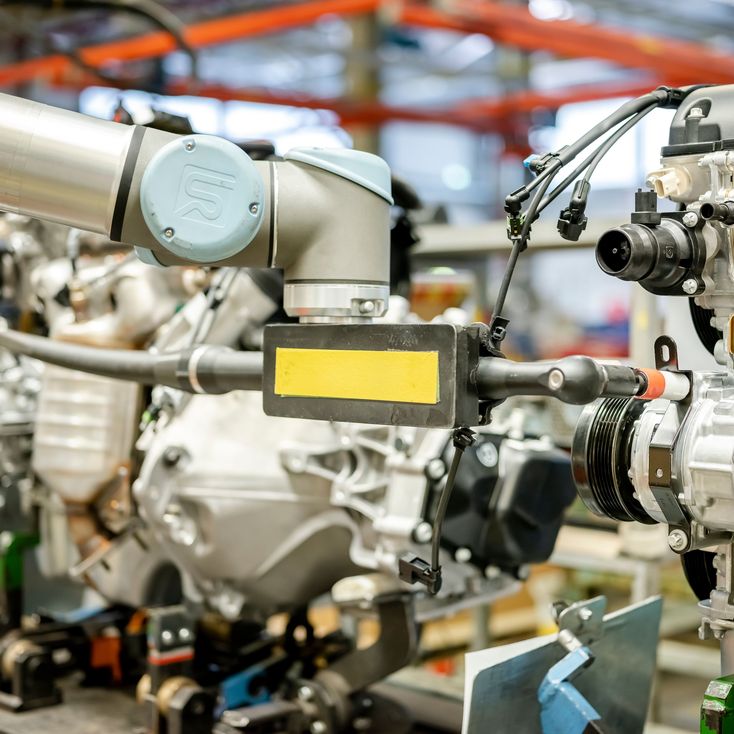
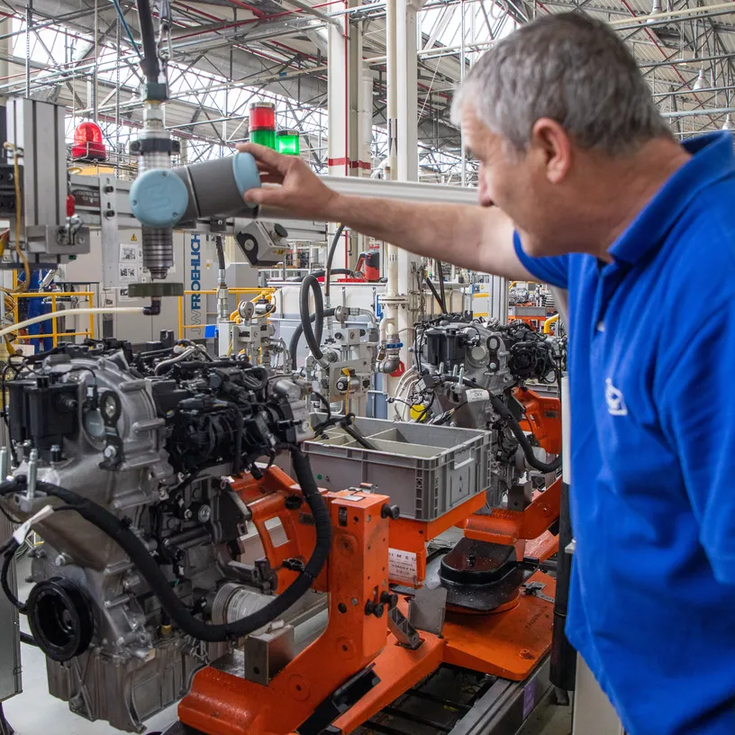
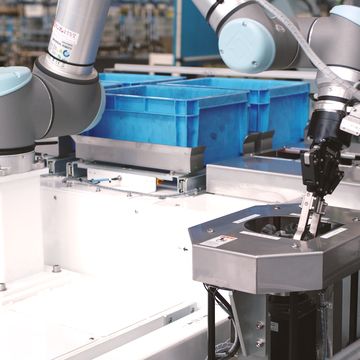
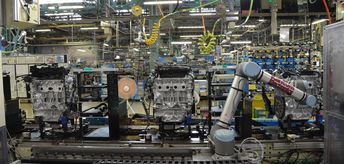
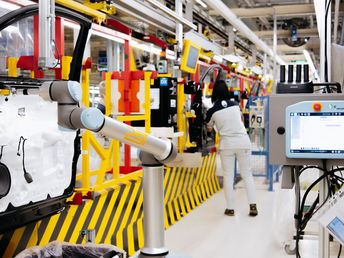
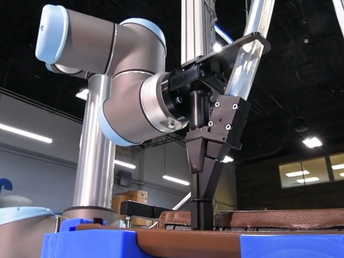
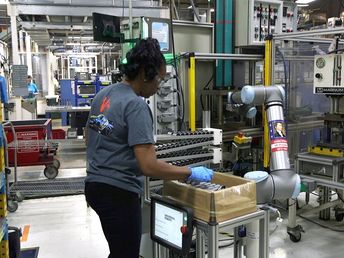
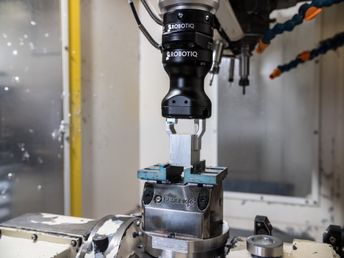
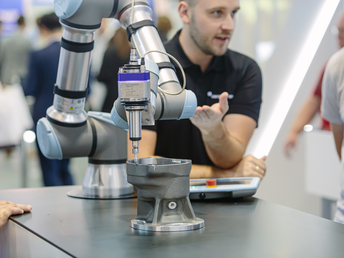
Universal Robots cobots are deployed directly at camshaft assembly stations​ to perform high‑precision, repetitive operations with consistent quality

Autonomous Mobile Robots for Line Feeding and Material Flow

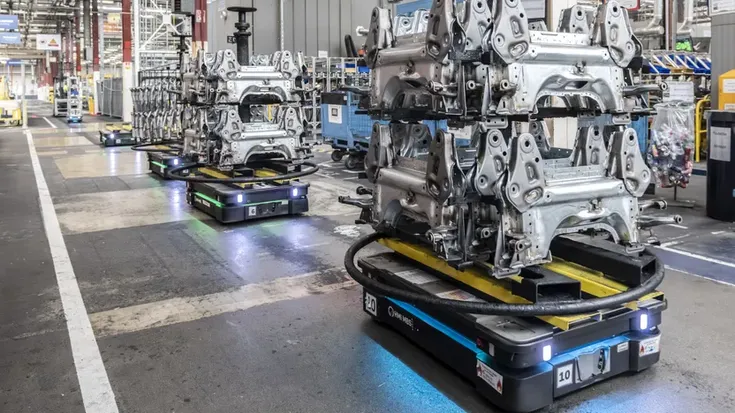
MiR AMRs support camshaft assembly by ensuring uninterrupted material flow acrossmachining, washing, gauging, and assembly operations:​

  • Transport of camshafts, kits, and subassemblies between process steps​
  • Autonomous delivery of consumables to assembly cells​
  • Reduction of manual cart pushing and forklift traffic on the engine floor​

By decoupling material transport from fixed conveyors, MiR robots help stabilize takt time and allow operators to focus on inspection, troubleshooting, and process control rather than logistics. ​


camshaftGKNGKNetc

Selecting the right robot for automotive assembly

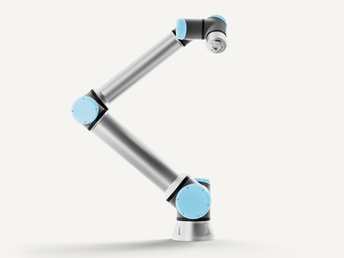
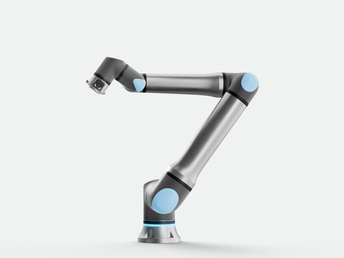
UR cobots provide the reach, repeatable motion, and controlled handling needed to load, unload, and reposition parts around automotive frame welding cells. Their compact, collaborative design allows flexible integration near existing fixtures and positioners without disrupting established welding processes.

Other automated automotive applications

From complext assembly to shipping, inspection, and palletizing tasks are being automated in some of the busiest manufacturers around the world. Industrial grade collaborative robots enhance production efficiency and quality by improving precision and reducing cycle times.

Automotive Assembly Applications

Automotive Assembly Applications

Broad robotic support for automotive assembly tasks, including part handling, positioning, and secondary operations across sub‑assemblies and production lines. Enables flexible automation without disrupting existing processes.

Automotive Clip Insertion

Automotive Clip Insertion

Automated clip insertion for interior and exterior assemblies, improving consistency while reducing part damage and operator strain. Ideal for high‑mix automotive assembly environments.

Automotive Press‑Fit Assembly

Automotive Press‑Fit Assembly

Robotic press‑fit operations for controlled insertion of bearings, bushings, and precision components. Ensures consistent force, accurate alignment, and repeatable quality in automotive production.

Automotive Parts Transportation

Automotive Parts Transportation

Automotive manufacturing relies on a continuous flow of materials. Components, kits, and containers need to reach the correct station precisely when required to ensure takt time and stable production.

Explore next steps in automotive

Talk to an automotive automation expert

An automotive automation specialist will follow up to discuss your application and production requirements. The goal is to understand your setup and explore practical automation options, no commitment required.