

Press-Fit Automation
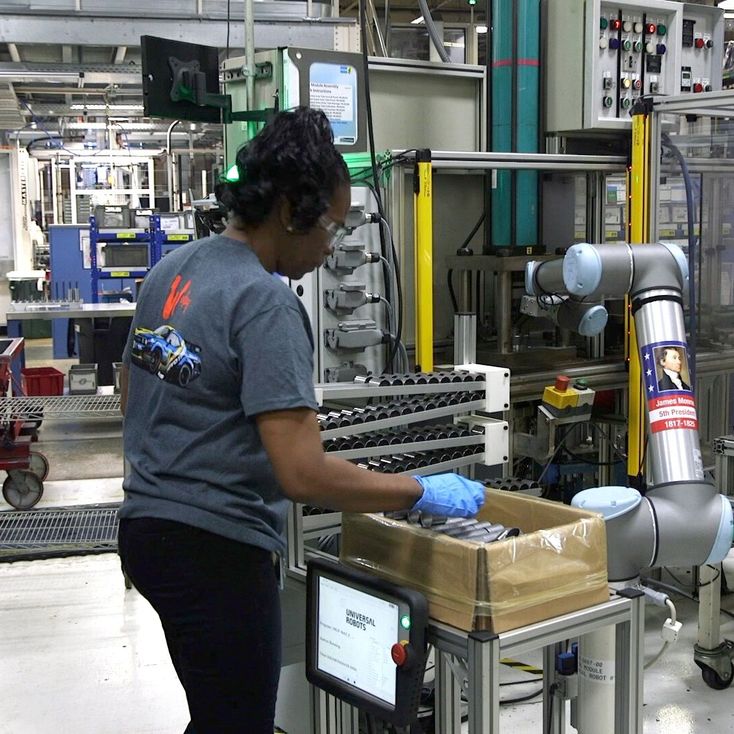
Advantages of Automated Press‑Fit Assembly with Teradyne Robotics
Manual press‑fit operations can be difficult to standardize, especially when insertion forces, alignment, and depth must remain consistent across shifts and product variants. Variations in force or positioning can lead to component damage, improper seating, or premature wear.
Collaborative robots enable controlled force and precise motion during press‑fit operations, helping manufacturers achieve repeatable results while reducing operator strain and variability in automotive assembly processes.
Why Automate Press‑Fit Operations in Automotive Production
Press‑fit assembly often involves tight tolerances and critical quality requirements. When these tasks rely on manual execution, maintaining consistent process capability becomes challenging at scale. Automated press‑fit solutions help standardize insertion parameters by applying the same force and motion profile on every cycle, supporting predictable quality and stable throughput across automotive assembly lines.
Key outcomes include:
- Controlled and repeatable press‑fit force profiles
- Consistent insertion depth and alignment
- Reduced risk of component damage or rework
- Improved process stability across shifts
- Reduced ergonomic strain for operators
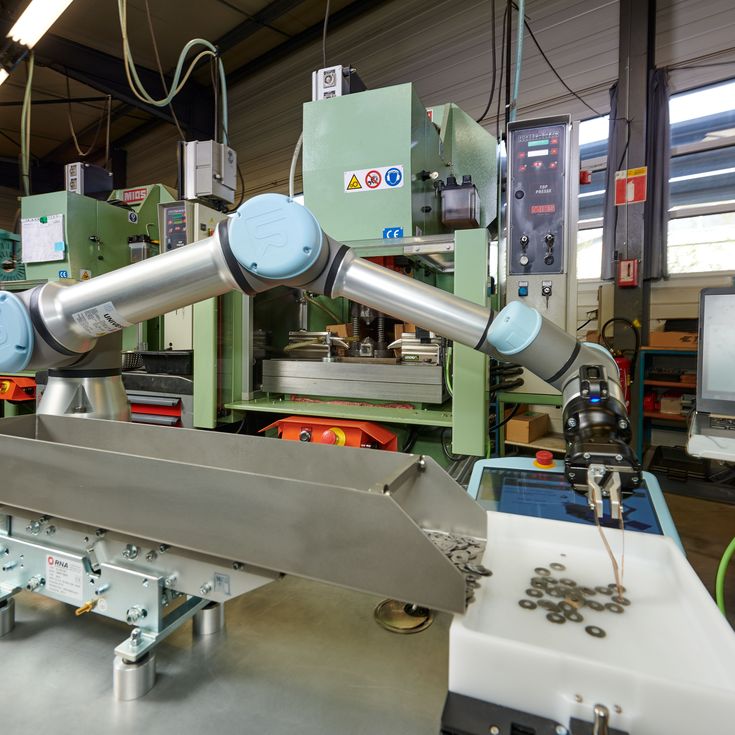
Selecting the right robot for automotive press‑fit automation
Automotive press‑fit operations require accurate alignment, controlled insertion force, and repeatable motion to achieve consistent seating without damaging components. Collaborative robots are used in press‑fit stations where precise force control, flexible deployment, and process consistency are required across powertrain, interior, and sub‑assembly automotive production lines.
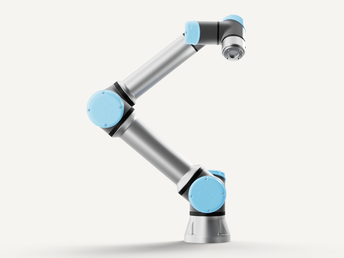
UR7e-920
- Payload
- 7.5 kg
- Reach
- 920 mm
New
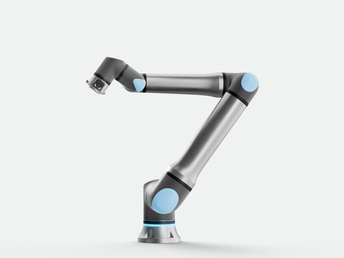
UR17g-1300
- Payload
- 15 kg
- Reach
- 1300 mm
- Extended payload
- 17.5 kg
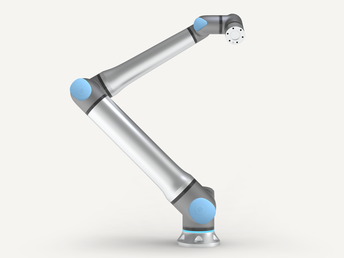
UR20-1750
- Payload
- 20 kg
- Reach
- 1750 mm
- Extended payload
- 25 kg
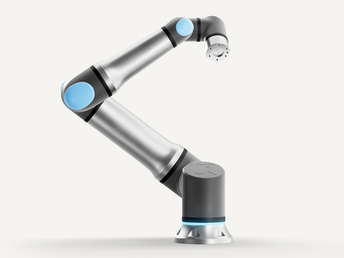
UR30-1300
- Payload
- 30 kg
- Reach
- 1300 mm
- Extended payload
- 35 kg
Related automotive assembly applications
Automated screwdriving is often deployed alongside other automotive assembly processes on the same production lines. These related applications support a more complete and flexible assembly strategy.
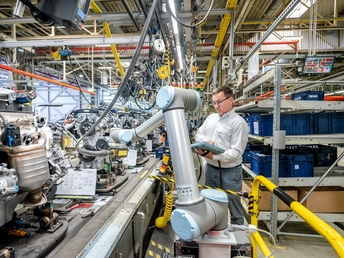
Automotive Nut Running
Screwdriving and nut running are often deployed on the same stations or adjacent stations and are evaluated together as fastening strategies.
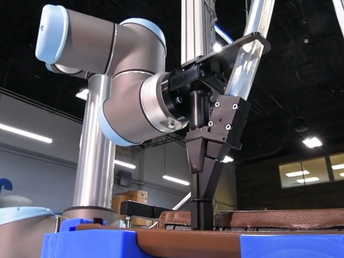
Automotive Clip Insertion
Automated clip insertion for interior and exterior assemblies, improving consistency and reducing part damage.
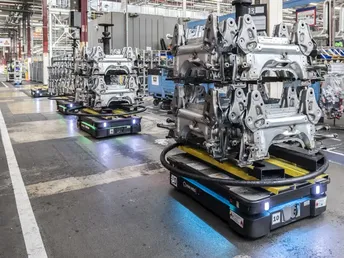
Automotive Parts Transportation
Automotive manufacturing relies on a continuous flow of materials. Components, kits, and containers need to reach the correct station precisely when required to ensure takt time and stable production.
Talk to an automotive automation expert
An automotive automation specialist will follow up to discuss your application and production requirements. The goal is to understand your setup and explore practical automation options, no commitment required.
