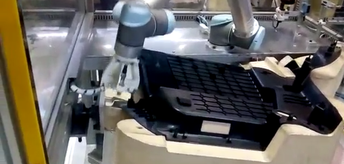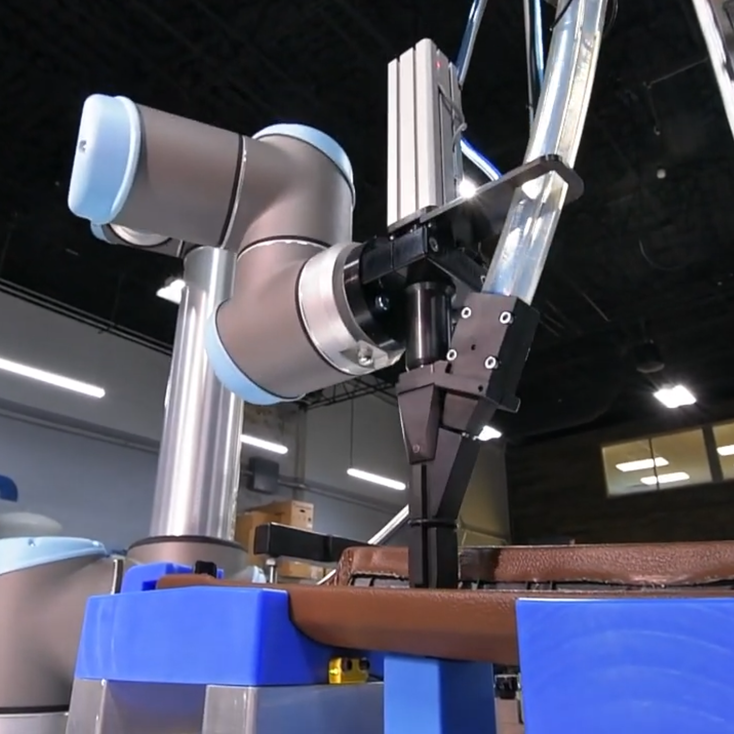
Manual clip insertion can be physically demanding and difficult to standardize, especially in high‑volume automotive assembly environments. Variations in force, angle, or seating depth can result in missing clips, damaged trim, or inconsistent fit and finish.
Collaborative robots execute clip insertion using controlled force and repeatable motion paths, helping manufacturers achieve consistent seating while reducing operator strain and assembly variability.
Automotive clip insertion often occurs late in the assembly process, where defects are costly to correct. When clip seating varies across operators or shifts, it can directly affect perceived vehicle quality.
Automated clip insertion helps standardize this process by applying the same insertion motion and force profile on every cycle, supporting repeatable outcomes across interior, exterior, and sub‑assembly lines.
Key outcomes include:
Visumatic engineered a plastic clip insertion system that enable UR cobots to automate clip handling and insertion with repeatable precision—while maintaining the flexibility manufacturers need across high‑mix, global production environments.
Designed specifically for collaborative automation, the solution integrates directly with the UR controller, allowing manufacturers to deploy automation without dedicated robot programmers or complex safety infrastructure.
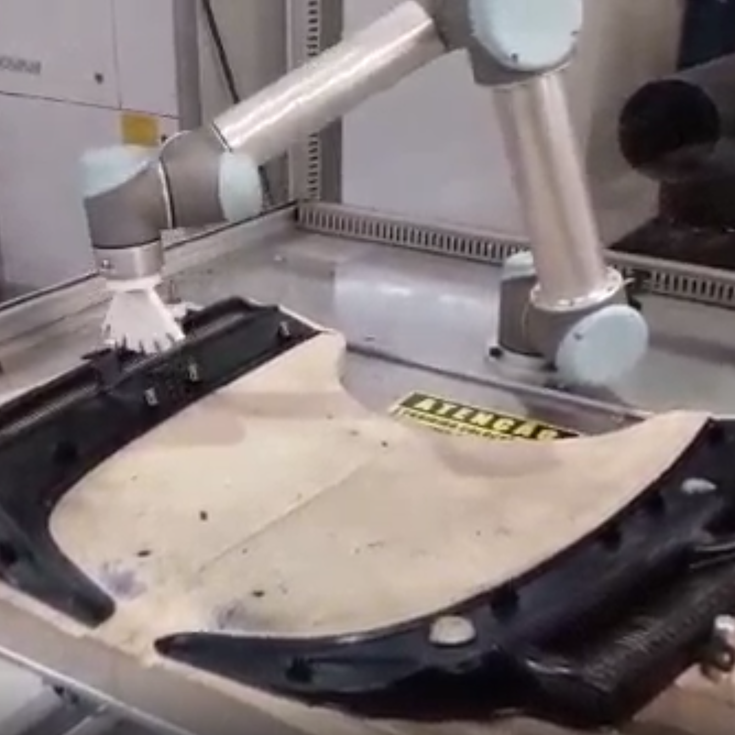
Talk with an automotive automation specialist to explore how collaborative robots can support consistent clip seating, reduce part damage and rework, and help maintain predictable production flow across OEM and Tier supplier assembly lines.


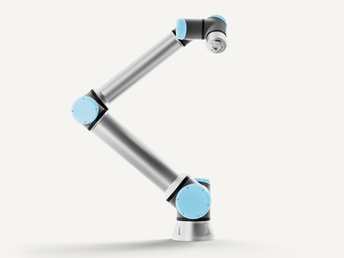
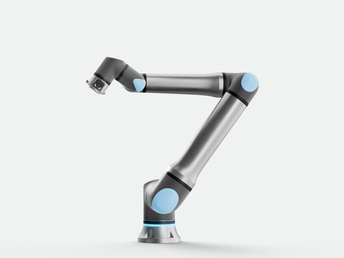
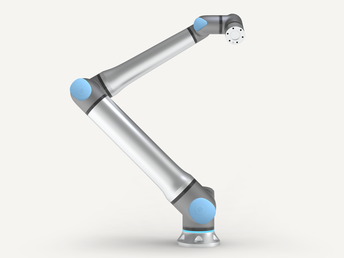
Automotive clip insertion requires precise positioning, controlled force, and repeatable motion to ensure consistent seating without damaging trim or housings. Universal Robots collaborative robots are well‑suited for clip insertion stations where flexibility, compact integration, and process consistency are critical across interior and exterior automotive assembly lines.
Automated screwdriving is often deployed alongside other automotive assembly processes on the same production lines. These related applications support a more complete and flexible assembly strategy.

Screwdriving and nut running are often deployed on the same stations or adjacent stations and are evaluated together as fastening strategies.

Autonomous removal of scrap and waste materials to support clean, uninterrupted automotive production flows.

Robotic press‑fit operations for controlled insertion of bearings, bushings, and precision components.

Automotive manufacturing relies on a continuous flow of materials. Components, kits, and containers need to reach the correct station precisely when required to ensure takt time and stable production.
An automotive automation specialist will follow up to discuss your application and production requirements. The goal is to understand your setup and explore practical automation options, no commitment required.