Automated Scrap and Waste Removal for Automotive Manufacturing

Automotive production generates continuous streams of scrap, packaging, and production waste that must be removed without interrupting takt time. Automated scrap and waste removal supports cleaner workstations, predictable material flow, and stable production across automotive OEM and Tier supplier environments.
-

Advantages of Automated Waste Removal with Teradyne Robotics

Manual waste handling can disrupt automotive production flow, introduce safety risks, and place additional strain on operators. In high‑volume environments, inconsistent waste removal can quickly create bottlenecks at critical assembly and machining stations.

Autonomous and collaborative robotic solutions enable continuous, predictable waste removal, helping manufacturers maintain clean work areas and consistent throughput without adding manual handling steps.

Why Automate Waste Removal in Automotive Production

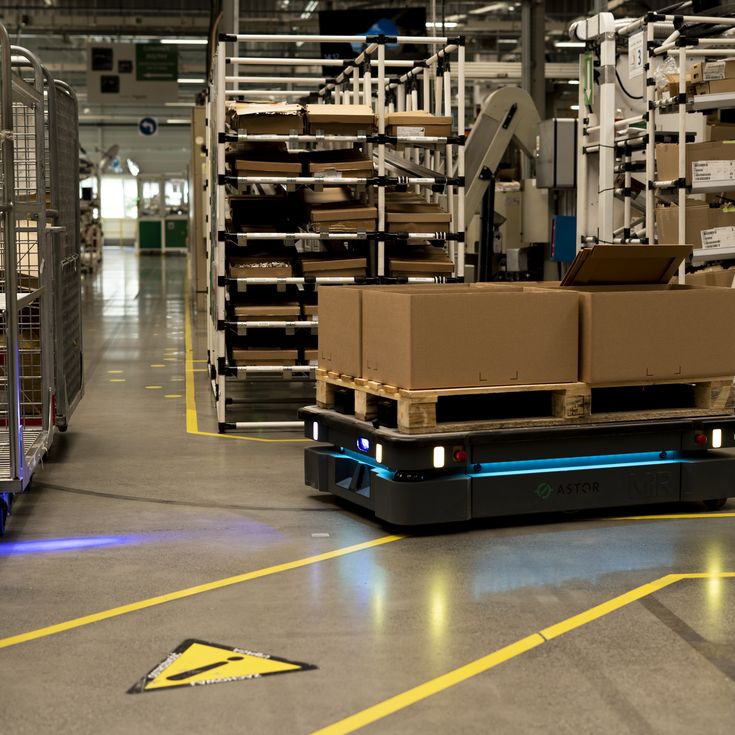
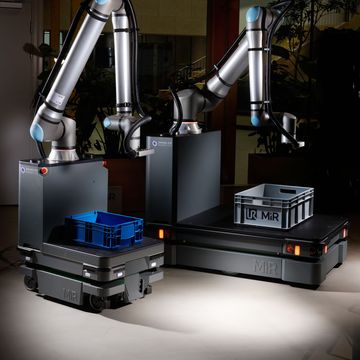
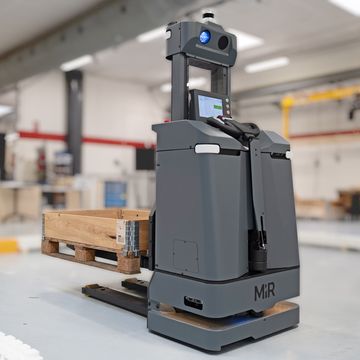
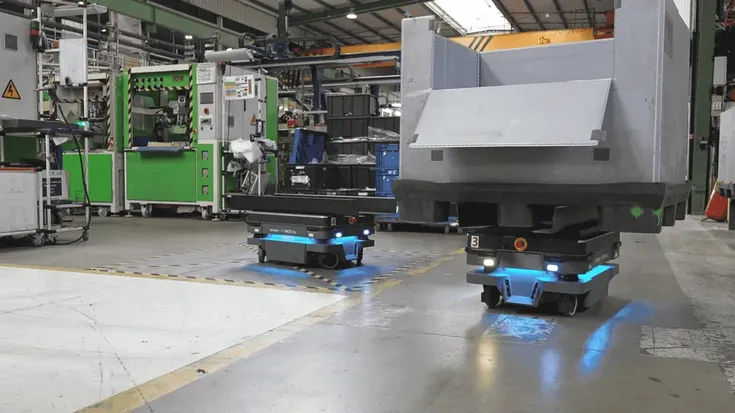
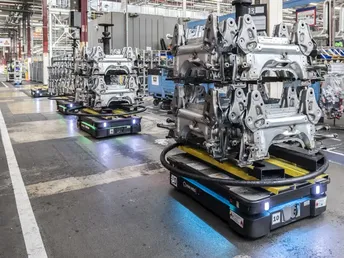
MiR state-of-the-art robots are designed to optimize intralogistics by autonomously transporting waste materials, such as metal scraps, packaging, and hazardous byproducts, across complex production facilities.

Leveraging advanced navigation systems, MiR AMRs seamlessly integrate into existing workflows, eliminating bottlenecks and ensuring consistent waste handling. Their payload flexibility and ability to operate in dynamic environments reduce manual labor while enhancing operational efficiency. By automating waste disposal processes, MiR AMRs contribute to lean manufacturing practices and compliance with stringent environmental standards.

Key outcomes include:

  • Continuous waste flow without operator intervention
  • Reduced line disruptions caused by waste accumulation
  • Improved workplace safety and ergonomics
  • More predictable takt‑time performance
  • Cleaner, more organized production environments
Megatech Industries MiR

Selecting the right robot for automotive waste removal

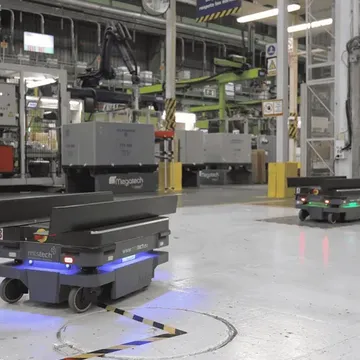
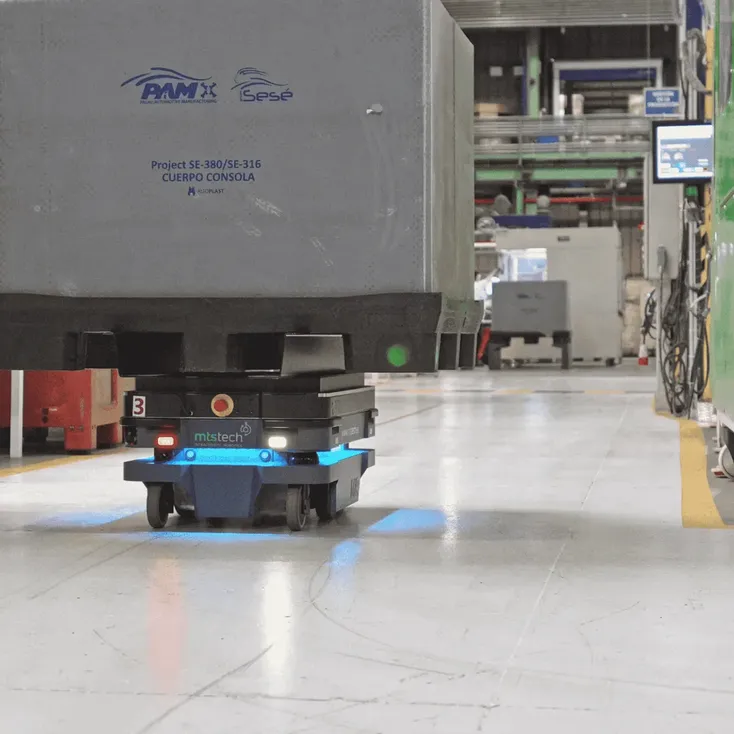
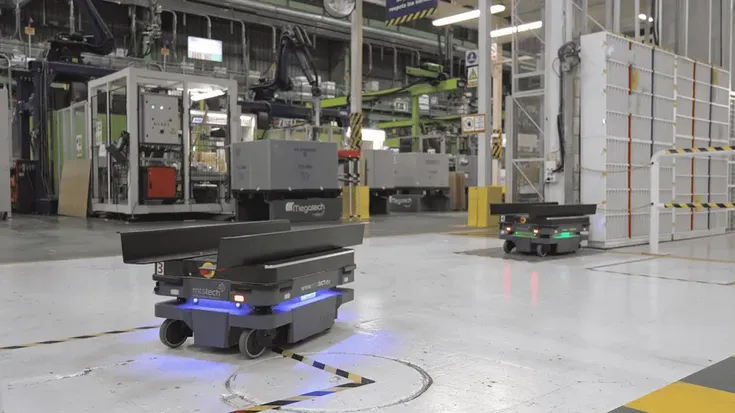
Megatech Industries boosted safety and efficiency by replacing forklifts with MiR250 robots for waste handling. The robots autonomously transport waste, navigate tight spaces, and free staff for higher-value tasks, streamlining operations and enhancing workplace safety.

Top 6 Reasons and Benefits of Automating Waste Removal with MiR AMRs

1. Increased Productivity. AMRs operate 24/7, preventing waste buildup and keeping production lines running smoothly.

2. Enhanced Safety. AMRs reduce manual handling, lowering risks of accidents and exposure to hazardous materials.

3. Scalability. Easily scale your AMR fleet to meet growing waste management needs without costly changes.

4. Reduced Costs. Lower labor and equipment costs with a quick ROI, often within the first year.

5. Customizable Solutions. AMRs handle various waste types and integrate seamlessly into existing workflows.

6. Future-Proof Operations. Flexible, advanced systems adapt to evolving waste disposal needs for long-term efficiency.

Waste RemovalWaste RemovalWaste RemovalWaste RemovalWaste Removal

Why AMRs are the perfect solution for waste disposal

Struggling with inefficient waste disposal and safety risks? Modern businesses are embracing automation to streamline waste management. Autonomous mobile robots (AMRs) eliminate bottlenecks, enhance safety, and free employees for higher-value tasks—keeping facilities clean and productive 24/7.

Selecting the right robot for automotive waste removal

Future-Proof Your Waste Disposal System with MiR’s AMRs

Autonomous mobile robots offer a scalable and flexible solution to streamline waste management in your facility. By automating waste disposal, you can reduce labor dependency, improve safety, and ensure that your production lines remain clean and efficient.

Discover MiR product line

Related automotive assembly applications

Related automotive manufacturing applications
Automated scrap and waste removal is commonly integrated with other automotive production processes across the line. Together, these applications help maintain clean workstations, stable material flow, and reliable production performance.

Automotive Nut Running

Automotive Nut Running

Screwdriving and nut running are often deployed on the same stations or adjacent stations and are evaluated together as fastening strategies.

Automotive Clip Insertion

Automotive Clip Insertion

Automated clip insertion for interior and exterior assemblies, improving consistency and reducing part damage.

Automotive Press‑Fit Assembly

Automotive Press‑Fit Assembly

Robotic press‑fit operations for controlled insertion of bearings, bushings, and precision components.

Automotive Parts Transportation

Automotive Parts Transportation

Automotive manufacturing relies on a continuous flow of materials. Components, kits, and containers need to reach the correct station precisely when required to ensure takt time and stable production.

Explore next steps in Automotive

Talk to an automotive automation expert

An automotive automation specialist will follow up to discuss your application and production requirements. The goal is to understand your setup and explore practical automation options, no commitment required.