CIS focuses most of its attention on the mining sector. Our main product is haulage equipment.
One of the key reasons we began looking at automation was that work resources are limited. The first project we identified as a strong fit was a plasma cutting and trimming robot. We produce many formed pieces that require excess material to be cut off after the initial process.
The main driver for this project was the quality of the cut. When parts are cut with the robot, they do not need to be reworked. Previously, around 80 percent of our time was spent dressing up cuts made through a manual process.
When we analyzed this further, we found that the trimming process alone took approximately 50 hours for every truck. By moving to a robotic application, we were able to reduce that time to around 12 hours.
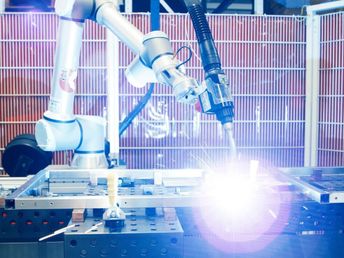
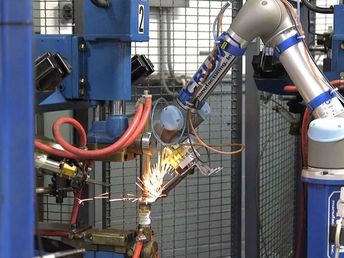
After implementing the plasma cutting robot cell, we moved on to a MIG welding application. This project offered strong returns simply due to the high volume of welding work we perform.
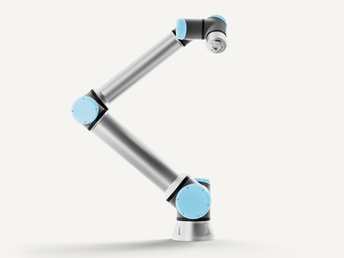
Universal Robots was the first collaborative robot we encountered, which we discovered at the FABTECH show. We saw a single robot performing many tasks while people stood nearby. The ability to work alongside a robot for testing and troubleshooting was a major advantage for us.
We are currently performing fillet welds on truck bodies, which require a significant amount of welding. Our goal is to reduce the workload on welders so they can work alongside the robot and effectively split the work.
The welding skid can be lifted with any forklift and moved to wherever it is needed. This flexibility allows the robot to operate anywhere in the shop.
We are also looking to reduce risk in our operations. The welds are long and not very ergonomic, but the robot does not care about ergonomics. The operator can set up the robot and then move on to other tasks.
Now that we have experience working with Universal Robots, future automation initiatives feel far less daunting. What we found when implementing this solution on the shop floor is that the number of potential applications is very high.
Justifying the investment based on a single project was easy. Everything beyond that has been an added benefit.