Robotic Sorting

Stabilize Throughput, Eliminate Errors, and Scale Operations with Teradyne Robotics
BW Industrie Case Story France
portfolio

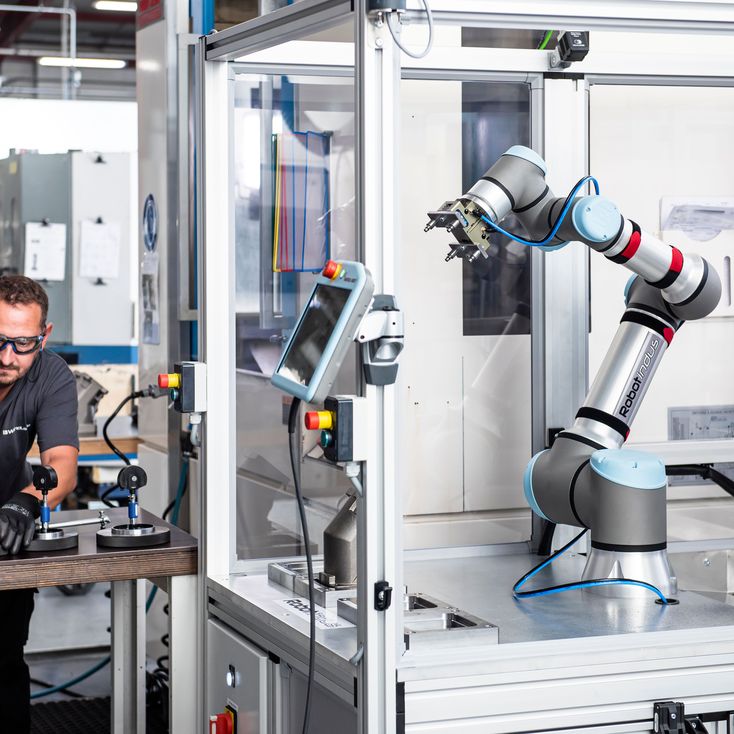
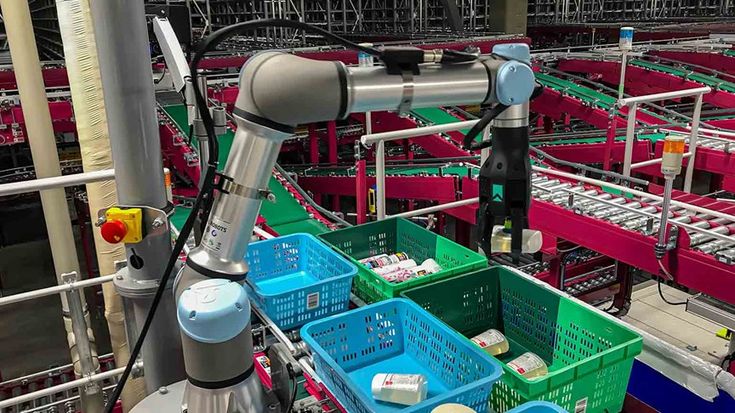
Collaborative robots (cobots) from Universal Robots and autonomous mobile robots (AMRs) from MiR transform robotic sorting into controlled and repeatable processes. By combining AMRs, cobots, and vision systems, operations move from reactive handling to coordinated flow, where every item is identified, routed, and processed with precision.

Unlike fixed sortation systems, modern robotic sorting adapts in real time. Robots identify items, determine destinations, and execute routing decisions without relying on static conveyors or predefined paths.

The result is consistent throughput, predictable output, and the ability to scale without redesigning the facility.
Where Robotic Sorting Delivers Value

Sorting is not a single task—it’s a set of applications across the fulfillment and production workflow. The highest-impact use cases are:

Order-Based Sorting (Pick & Pack Flow)

Order-Based Sorting (Pick & Pack Flow)

In pick-and-pack environments, sorting sits directly between picking and packing. Systems classify items into orders, ensuring every SKU is routed correctly before packaging.

Mixed-SKU Sorting (High-SKU Environments)

Mixed-SKU Sorting (High-SKU Environments)

As SKU counts increase, traditional batching and zoning break down. Robotic sorting with UR cobots dynamically routes items based on real-time order demand rather than fixed zones.

Last-Mile & Cross-Dock Sorting

Last-Mile & Cross-Dock Sorting

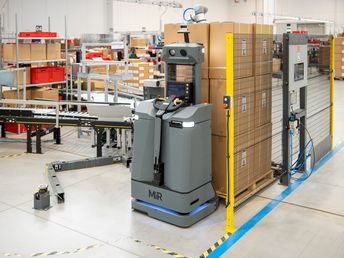
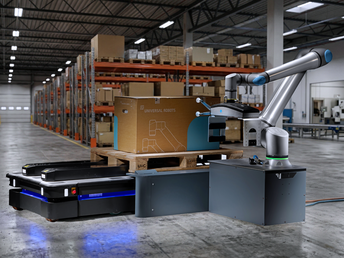
MiR AMRs enable this by dynamically transporting and routing items across the facility in real time. Instead of relying on fixed sortation or manual handoffs, our mobile bots pick up pallets, carry cartons or totes and deliver them directly to staging lanes, dock doors, or outbound vehicles based on live system priorities.

Operational Impact of Robotic Sorting

Sorting is one of the highest-leverage points in warehouse performance. When automated effectively, it drives measurable outcomes across the operation:

  • Higher throughput: sustain high processing speeds without fatigue

  • Hitting Primary Key Performance Indicators – sorting automation supports faster order assembly and DEA (Delivery Expectation Accuracy)

  • Lower labor dependency: Less reliance on manual sorting teams

  • Scalable capacity: Add robots instead of redesigning infrastructure

Automated sorting systems can process significantly higher volumes than manual operations while maintaining consistent accuracy and uptime.

Choosing the Right Robotic Sorting Automation

UR20

UR20

Faster heavy payload robot

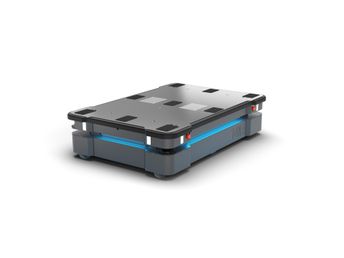
MiR600

MiR600

Moves pallets up to 600kg

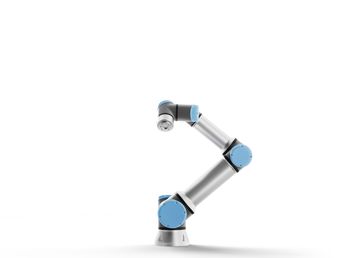
UR16e

UR16e

Heavy-duty compact robot

Talk to a logistics automation expert

A logistics automation specialist will follow up to review your operations, workflows, and fulfillment challenges. The goal is to understand your setup and identify practical automation opportunities to improve efficiency and scalability—no commitment required.