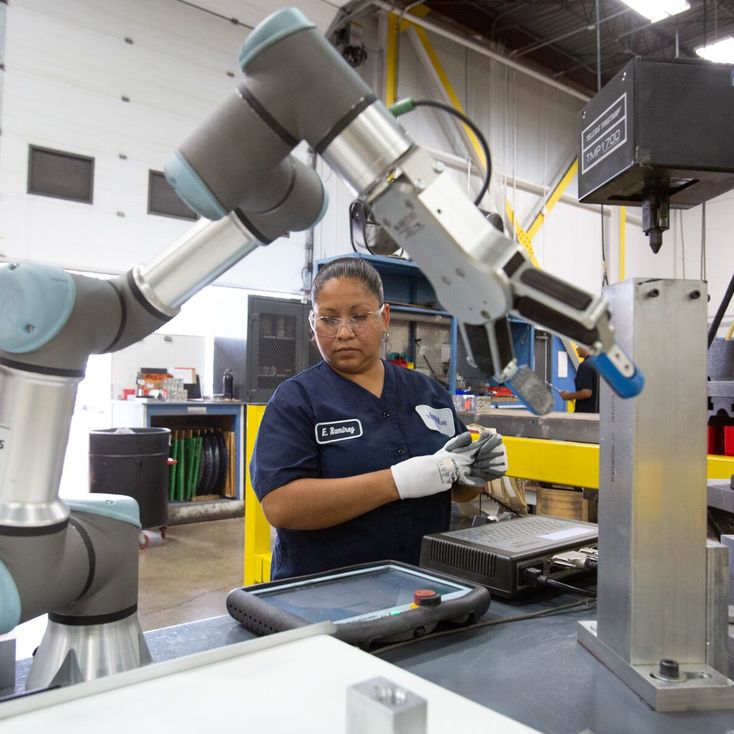
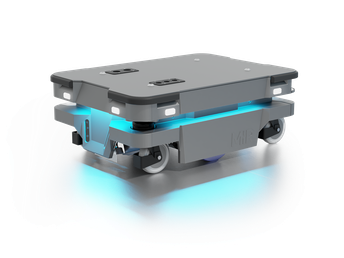
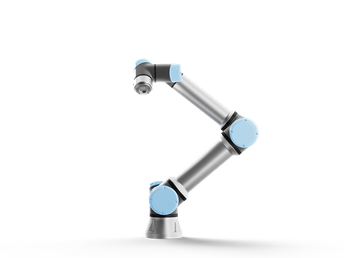
MiR autonomous mobile robots empower modern G2P systems rather than relying on fixed infrastructure. This shift enables facilities to scale without rebuilding layouts, allowing MiR fleets to dynamically route totes, shelves, carts and pallets between storage and workstations based on real-time demand. Within this model, automation is no longer about a single technology—it becomes an orchestrated system combining AMRs, cobots, and warehouse software to create continuous, predictable flow.
Advantages of G2P Picking Automation
What ultimately determines success in G2P is orchestration. AMRs, cobots, and human workers must be coordinated as a single system, with software managing mission priorities, congestion, and workload balancing across zones. Without this layer, automation increases activity but not throughput. With it, operations can scale incrementally while adding robots, stations, or workflows without disrupting the underlying system.
Operational Outcomes Typically Include:
- Significant reduction in travel time and labor waste
- Higher and more consistent pick rates across shifts
- Improved ergonomics and worker safety
- Improved order accuracy due to controlled picking environments
- Faster onboarding and training of new operators