Last-Mile & Cross-Dock Sorting

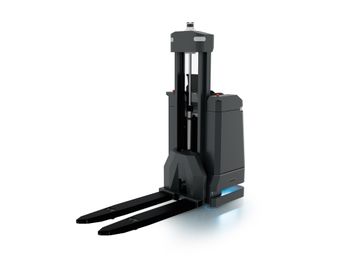
Create Continuous Flow from Inbound to Outbound using MiR AMRs and Pallet Jack
img_hero_last_mile_cross_dock_sorting_v1
Forvia Case Story

Cross-Dock & Last-Mile Operations

Cross-dock and last-mile operations are built around one constraint: nothing can stop moving.

Inventory is not stored, staged, or buffered. It must move directly from inbound receipt to outbound shipment—often under tight delivery windows and shifting priorities. In these environments, even small delays create downstream impact across routes, carriers, and customer deliveries.

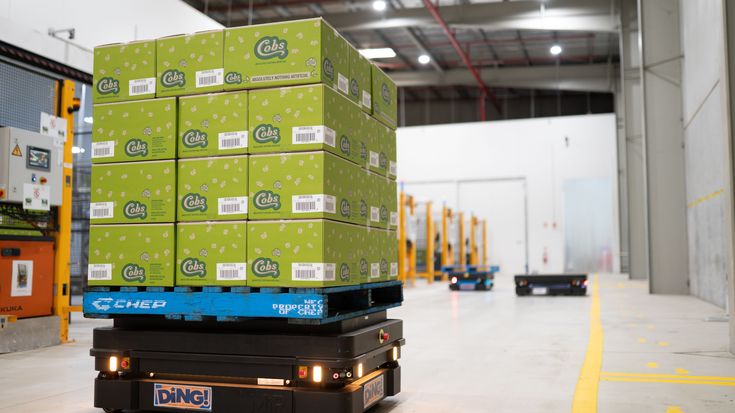
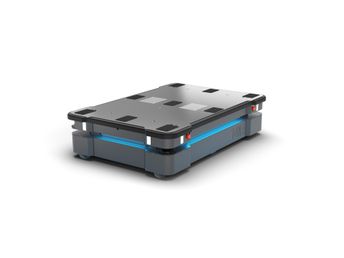
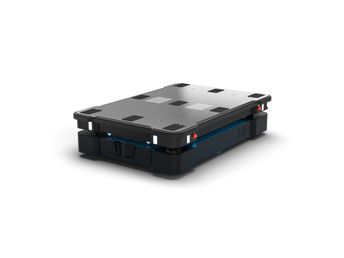
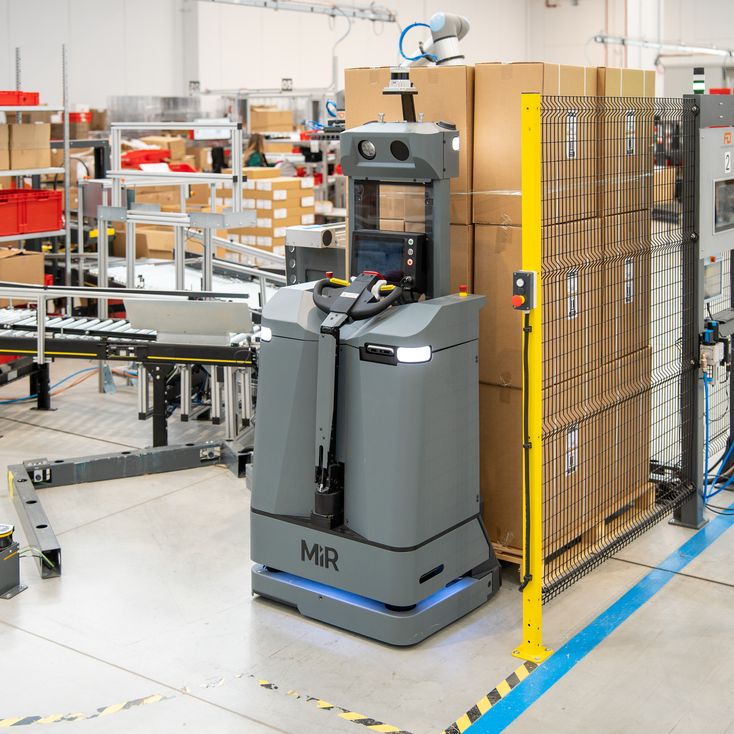
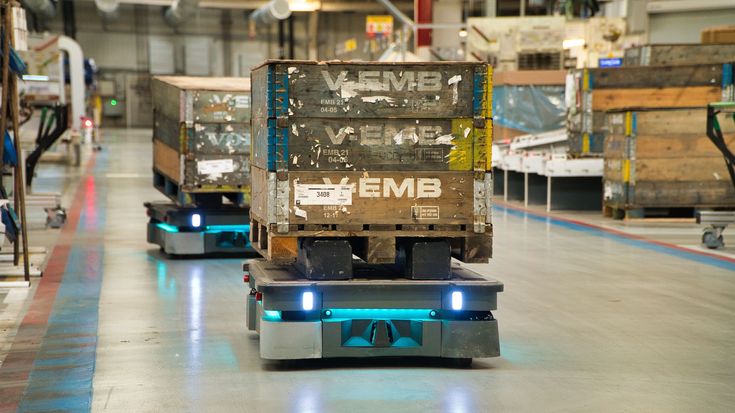
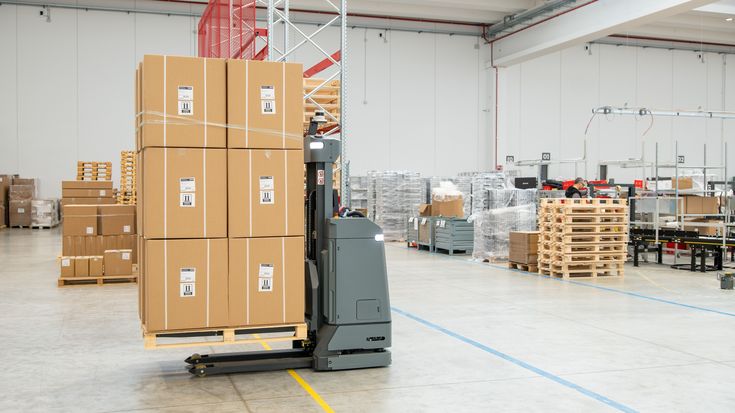
MiR autonomous mobile robots enable a different operating model. Instead of relying on manual transport or fixed conveyor systems, MiR AMRs move pallets, cartons, and totes dynamically across the facility—routing each unit directly from inbound to its correct outbound destination. Movement is continuous, software-driven, and aligned to real-time demand.

The result is a cross-dock operation that behaves as a flow system, not a staging system.
Vibo Case story Italy

How AMRs Enable Cross-Dock Sorting

In cross-dock environments, the challenge is not identifying items—it is moving them quickly and correctly across the facility.

MiR AMRs take ownership of this movement layer:

  • Direct transport from inbound to outbound - AMRs pick up pallets, carts, or containers at receiving and deliver them directly to outbound lanes, staging zones, or dock doors
  • Dynamic routing based on real-time priorities - routes are assigned through fleet management software, allowing robots to adjust continuously to changing dock schedules or shipment priorities
  • Coordinated fleet execution - multiple AMRs operate simultaneously, with the system balancing tasks and avoiding congestion across high-traffic zones
  • No fixed infrastructure required - AMRs navigate using sensors and real-time mapping, eliminating the need for conveyors or fixed sortation paths

AMRs are specifically designed to navigate dynamically through busy warehouse environments and adjust paths in real time, enabling flexible material movement without fixed routing constraints.

MiR AMRs directly address the operational pressures of last-mile and cross-dock environments:

  • Enables true continuous flow operations: Items move immediately from receipt to shipment without delay
  • Eliminates intermediate staging and buffering: No need for large consolidation areas or manual sorting zones
  • Adapts to unpredictable volume and routing changes: AMRs dynamically reprioritize tasks as inbound and outbound conditions shift
  • Reduces congestion in high-traffic facilities: Coordination using MiR MFE softwared minimizes cross-traffic and manual vehicle conflicts
  • Scales capacity without infrastructure changes: Additional AMRs increase throughput without conveyor expansion

MiR AMRs are particularly effective in logistics environments where dynamic task allocation and real-time routing are required to maintain throughput under changing conditions.

Cobs Australia Case Story

MiR AMRs Change Cross-Dock Operations for the Better

Cross-dock performance is defined by movement, not storage.

Traditional systems rely on manual transport and fixed routing, which struggle to adapt to changing volumes and priorities. MiR AMRs replace this with a dynamic, software-defined approach—where every movement is optimized in real time.

By owning the transport layer, MiR enables:

  • Continuous flow instead of staged processing
  • Flexible routing instead of fixed infrastructure
  • Scalable capacity without operational disruption

The result is a cross-dock system that keeps pace with modern logistics demands—faster, more predictable, and aligned directly to outbound delivery expectations.

Choosing the Right Robotic Sorting Automation

Talk to a logistics automation expert

A logistics automation specialist will follow up to review your operations, workflows, and fulfillment challenges. The goal is to understand your setup and identify practical automation opportunities to improve efficiency and scalability—no commitment required.